Stainless steel pipe fittings are widely used in Southeast Asia’s industrial piping systems because of their corrosion resistance, strength, and durability. They are commonly found in water treatment, manufacturing, chemical processing, and marine applications.

However, stainless steel threaded connections can present two major challenges: thread galling and leakage. Choosing the right stainless steel thread sealant and following proper installation procedures can help prevent these problems and reduce maintenance costs.
This guide explains how to select suitable sealing materials and install stainless steel threaded fittings reliably in 2026.
1. Why Do Stainless Steel Threads Gall?
Thread galling is a type of adhesive wear that occurs when two metal surfaces slide against each other under pressure. Small areas can adhere together, causing material transfer, thread damage, or even complete seizure.
Stainless steel is susceptible to galling under certain conditions because friction can disrupt its protective oxide film, allowing clean metal surfaces to contact each other.
Common causes include:
- Similar mating materials: Stainless steel components with similar properties may be more susceptible to adhesive wear.
- Insufficient lubrication: Dry threads create increased friction during assembly.
- Excessive tightening: High contact pressure can accelerate galling.
- Damaged or contaminated threads: Burrs, dirt, and metal particles can interfere with proper engagement.
Prevention is the best solution. Use suitable sealing materials, inspect threads before assembly, and follow the fitting manufacturer’s tightening instructions.
2. Choosing the Right Stainless Steel Thread Sealant
Two common options for stainless steel threaded connections are PTFE thread seal tape and pipe thread sealing compound.
PTFE Thread Seal Tape
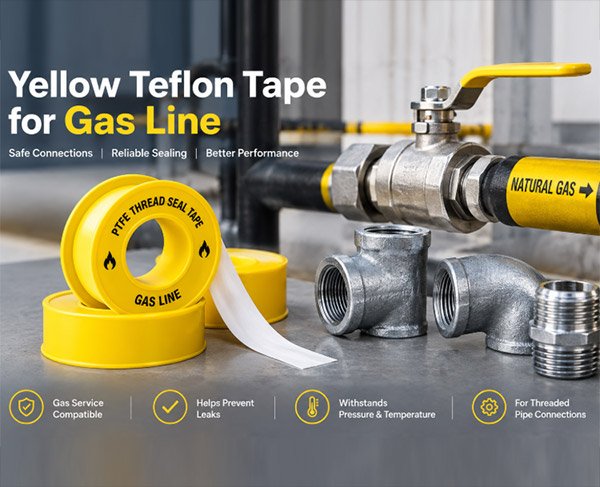
PTFE (polytetrafluoroethylene) tape is widely used in plumbing and industrial piping applications. For stainless steel fittings, choose a high-quality product specifically recommended for the intended thread type and service conditions.
Specialty gray PTFE tapes may be formulated with additional ingredients to help reduce galling and seizure. However, color alone does not guarantee performance; always check the manufacturer’s technical data sheet.
When selecting PTFE tape, consider:
- Compatibility with the conveyed fluid or gas.
- Thread standard, such as NPT or BSP.
- Tape thickness and density.
- Operating pressure and temperature.
- Required certifications for regulated applications.
Pipe Thread Sealing Compound
Thread compounds can provide sealing and lubrication, helping reduce friction during assembly. Select a compound with documented compatibility with stainless steel and suitable anti-galling properties where required.
Before use, confirm its compatibility with the conveyed medium, operating conditions, and other connection materials. Some compounds remain soft, while others cure or harden.
Can PTFE Tape and Thread Compound Be Used Together?
Yes, provided both products are compatible and the fitting manufacturer’s instructions permit the combination.
For suitable applications, using PTFE tape with a compatible thread compound may improve sealing performance and reduce friction. However, this method is not mandatory for every connection.
For large-diameter threaded fittings, including sizes of 4 inches and above, confirm the recommended sealing procedure rather than assuming additional tape or compound will solve leakage problems.
3. How to Seal Stainless Steel Threaded Connections
Follow these general steps for compatible threaded connections, subject to the manufacturer’s instructions.
Step 1: Inspect the threads. Check for damage, burrs, contamination, and manufacturing defects. Replace severely damaged components.
Step 2: Clean the surfaces. Remove dirt, grease, and loose particles using a method compatible with the stainless steel and intended application.
Step 3: Apply PTFE tape correctly. For a suitable tapered male thread, wrap the tape in the direction of tightening. Keep it away from the pipe opening to prevent loose material from entering the system.
Step 4: Apply thread compound if required. Use a compatible product according to its instructions. Avoid excessive application.
Step 5: Assemble carefully. Engage threads without cross-threading and tighten according to the manufacturer’s procedure. Excessive torque can cause galling and thread damage.
Step 6: Test the connection. Inspect the joint and perform an appropriate leak test before commissioning. If leakage persists, isolate and depressurize the system before investigating the cause.
Remember that PTFE tape cannot correct incompatible thread standards or damaged fittings.
4. Common Mistakes to Avoid
| Mistake | Potential problem | Recommended practice |
|---|---|---|
| Using an unsuitable sealant | Leakage or material incompatibility | Check technical specifications |
| Mixing NPT and BSP threads | Poor engagement and leakage | Confirm thread standards |
| Applying excessive tape | Difficult assembly or material entering the pipe | Follow product instructions |
| Overtightening | Galling or thread damage | Follow the specified tightening procedure |
| Combining incompatible products | Reduced sealing reliability | Verify compatibility |
| Skipping leak tests | Undetected installation defects | Test before commissioning |
5. Considerations for Southeast Asian Buyers in 2026
Southeast Asian markets, including Singapore, Malaysia, Thailand, Vietnam, Indonesia, and the Philippines, have diverse industrial requirements and environmental conditions.
Humidity and Coastal Exposure
High humidity and airborne chlorides can increase corrosion challenges in coastal environments. Grade 316 stainless steel generally offers better chloride corrosion resistance than grade 304, although neither is suitable for every environment.
Select the stainless steel grade and thread sealant according to the exposure conditions, conveyed medium, and operating temperature.
Water, Chemical, and Gas Applications
Water treatment, food processing, chemical handling, and gas systems have different requirements. Confirm material compatibility and any applicable drinking-water, food-contact, or gas-service approvals before installation.
Supplier Quality and Documentation
When purchasing stainless steel pipe fittings, confirm the material grade, thread standard, dimensions, inspection documentation, and applicable certifications. Clear specifications help reduce ordering errors and installation problems.
6. Frequently Asked Questions
What is the best thread sealant for stainless steel?
Suitable PTFE tape and pipe thread compounds are common options. The right choice depends on the thread design, conveyed medium, pressure, temperature, and manufacturer recommendations.
Does PTFE tape prevent galling?
PTFE tape can reduce friction and help seal compatible connections, but it cannot eliminate every risk of galling. Correct tightening, clean threads, and appropriate assembly practices are also essential.
Can PTFE tape fix leaking threads?
It may help seal a suitable threaded connection, but it cannot correct damaged threads, incompatible standards, or an incorrect sealing design.
Is gray PTFE tape always better for stainless steel?
No. Color alone does not establish quality or suitability. Check the product formulation, technical specifications, and intended application.
Conclusion
Reliable stainless steel threaded connections depend on three key factors: correct thread compatibility, suitable sealing materials, and proper installation.
For industrial buyers and installers in Southeast Asia, selecting appropriate PTFE thread seal tape or pipe thread compound can help reduce galling, leakage, and maintenance costs.
Before installation, verify the thread standard, stainless steel grade, sealant compatibility, and operating conditions. Working with a supplier that provides clear product specifications and quality documentation also helps ensure dependable piping system performance